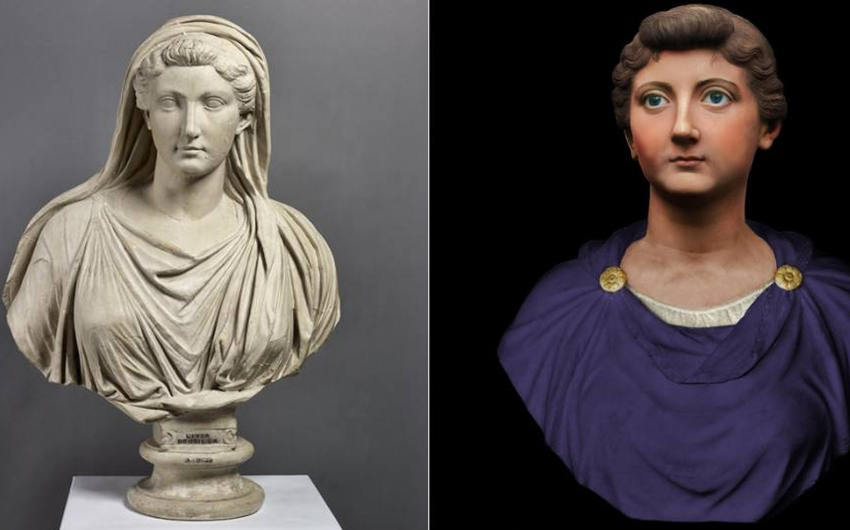
Livia Drusilla Husband Augustus: Marriage Power And The First Roman Empress Story
If you’re searching livia drusilla husband, you’re looking at one of the most powerful marriages in ancient history. Livia Drusilla’s husband was Augustus, Rome’s first emperor. But her story doesn’t start with him. Before Augustus, she was married to Tiberius Claudius Nero, a Roman noble who was politically connected and deeply tied to the collapsing Republic era. Livia’s marriages weren’t just romantic partnerships—they were political engines that shaped the Roman Empire for generations.
Quick Facts About Livia Drusilla
- Full Name: Livia Drusilla (later Julia Augusta)
- Born: 58 BCE
- Died: 29 CE
- First Husband: Tiberius Claudius Nero
- Second Husband: Augustus (Rome’s first emperor)
- Children: Tiberius (future emperor) and Drusus (general), from her first marriage
- Known For: Political influence, imperial image-building, and shaping Rome’s first dynasty
Who Was Livia Drusilla
Livia Drusilla was a Roman noblewoman who became the most influential woman of the early Empire. She wasn’t “famous” in the modern celebrity sense—she was powerful in the way that actually mattered in Rome: by shaping alliances, managing reputation, influencing succession, and making the imperial household look stable in a world that had recently collapsed into civil war.
Over time, Livia became the model of the Roman imperial wife: dignified, disciplined, publicly modest, and privately strategic. Whether you see her as a wise stabilizer or a ruthless operator depends on which ancient sources you trust—but either way, she was central to the story of Rome’s transition from Republic to Empire.
Livia Drusilla Husband Before Augustus Tiberius Claudius Nero
Livia’s first husband was Tiberius Claudius Nero, a Roman aristocrat from the Claudian family. They married when Livia was young, and their marriage took place during an era of chaos. Rome was ripping itself apart through political assassinations, power struggles, and civil war. Being married to a politically connected man wasn’t just about family life—it could determine survival.
With Tiberius Claudius Nero, Livia had two sons:
- Tiberius (born 42 BCE), who would later become emperor
- Drusus (often called Nero Claudius Drusus), born in 38 BCE
Her first marriage mattered because it connected her to one of Rome’s strongest noble lines. Even after she remarried, those Claudian ties remained politically valuable—especially because her son Tiberius eventually became Augustus’s successor.
How Livia Met Augustus And Why Their Marriage Was Shocking
Livia’s second husband, and the one most people mean when they search “livia drusilla husband,” was Augustus (born Octavian). He wasn’t just a powerful man—he was the man who would reinvent Rome’s entire political system.
Their marriage was controversial because it involved divorce and political calculation. Augustus divorced his previous wife, and Livia separated from her first husband. What made it even more dramatic is that Livia was reportedly pregnant at the time she married Augustus—something that would have been a major public scandal in a society obsessed with legitimacy and moral messaging.
But Rome wasn’t a normal society at that moment. It was a place where survival and power often outweighed social comfort. Augustus needed stability and noble connections. Livia brought both: aristocratic legitimacy, a reputation for discipline, and links to elite families that could help Augustus bind Rome’s ruling class to his new regime.
Livia Drusilla Husband Augustus The Marriage That Built An Empire’s Image
Livia and Augustus married in 38 BCE and stayed together until Augustus died in 14 CE. Their marriage didn’t produce children together, but it produced something arguably more important: an image of a stable imperial household that Rome could rally around after decades of bloodshed.
Augustus was obsessed with public morality and social order. He wanted Rome to believe the civil wars were over and the state was being “restored.” Livia helped sell that message. She became the living symbol of Roman virtues—modesty, loyalty, domestic discipline—while quietly operating within elite political networks.
In modern terms, you could think of her as both a political partner and a brand strategist for the new empire. Augustus built institutions and laws; Livia helped make the regime feel respectable and inevitable.
What Livia’s Role Likely Looked Like Inside The Palace
Roman politics was personal. Decisions didn’t happen only in public assemblies—they happened at dinners, in family discussions, through letters, favors, and patronage networks. As Augustus’s wife, Livia was positioned perfectly to influence what information reached him and which people gained access.
Her influence likely included:
- Advising Augustus privately: Helping him read people and factions
- Managing elite relationships: Maintaining alliances with powerful families
- Shaping public image: Acting as a model of imperial virtue
- Patronage: Supporting clients and networks that expanded her influence
Ancient writers often portrayed powerful women suspiciously, so it’s hard to separate fact from bias. But even with bias, the consistent thread is clear: people believed she mattered, which is itself evidence of real influence.
The Succession Question Was Livia Behind It
When you read about Livia, you quickly run into the “succession drama” angle. Augustus had several potential heirs over time, including members of his own family, and many died young or under complicated circumstances. Ancient sources sometimes imply Livia worked to position her son Tiberius as the ultimate successor.
Here’s the careful, realistic way to think about it:
- Succession in Rome was fragile: Death, illness, and political risk were constant.
- Ancient gossip became history: Writers often loved scandal, especially about women.
- Livia had clear incentive: Any mother with power would want her child protected and elevated.
Whether she was a mastermind or simply a skilled survivor is still debated, but the outcome is undeniable: Tiberius became emperor after Augustus, and Livia’s position in the imperial household helped make that transition possible.
What Happened After Augustus Died
After Augustus died in 14 CE, Livia didn’t vanish. Her influence continued under her son, Emperor Tiberius—though their relationship was reportedly complicated. She was honored, politically respected, and treated almost like a founding figure of the empire. She was even given the title Julia Augusta, which cemented her status as more than just a widow. She was part of the imperial identity.
That alone tells you how monumental her marriage to Augustus was. In most ancient societies, women faded into the background after their husbands died. Livia remained part of the political architecture.
Why People Still Search Livia Drusilla Husband
Livia fascinates people because her life sits at the intersection of gender, power, propaganda, and empire-building. The “husband” question opens a bigger door: how did a woman in a male-dominated world become a political force?
People keep searching because:
- Augustus is a giant of history: Anyone connected to him becomes important.
- Her marriage changed Rome: It shaped succession and dynasty-building.
- She’s portrayed as mysterious: Ancient accounts mix admiration, suspicion, and rumor.
- She set the template: Later empresses were compared to her for centuries.
Bottom Line
So, livia drusilla husband most famously refers to Augustus, Rome’s first emperor, whom she married in 38 BCE and remained with until his death in 14 CE. But she had an earlier husband, Tiberius Claudius Nero, with whom she had her two sons, including the future emperor Tiberius. Livia’s marriages weren’t just personal—they were political turning points that helped shape the first Roman dynasty and the public image of the Roman Empire itself.
Featured image source: https://www.annamariapierdomenico.it/2024/09/21/livia-drusilla-la-prima-imperatrice/