Karen Attiah Husband: Is She Married? Career, Background, and Public Work Today
If you’re searching for a Karen Attiah husband, you’re not alone—but the most accurate answer is that there is no publicly confirmed husband and no widely reliable, consistent reporting that identifies her as married. She keeps her personal life private, and the internet often tries to “fill in” what she hasn’t chosen to share. Once you set that straight, the far more documented story is Karen Attiah herself: a journalist and editor whose work on race, global affairs, and power has made her a major voice in modern commentary.
Quick answer: does Karen Attiah have a husband?
No confirmed husband is publicly documented. Karen Attiah has not consistently presented a spouse publicly, and reputable biographical sources tend to focus on her professional life rather than naming a husband or providing a marriage timeline. If you see random websites confidently naming a husband, treat that cautiously—this is one of those topics where low-quality “bio pages” often guess.
Who is Karen Attiah?
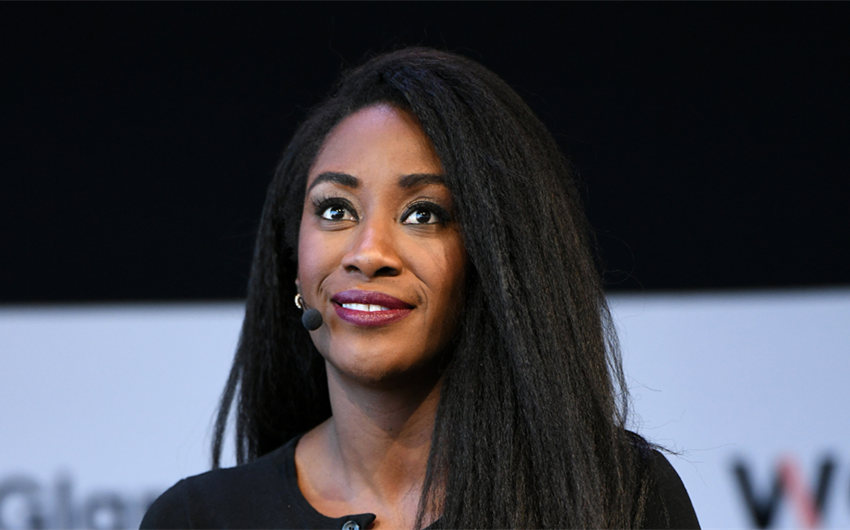
Karen Attiah is an American writer, commentator, and editor known for sharp analysis on race, gender, culture, human rights, and international affairs. She became widely recognized through her work in opinion journalism—especially her leadership in building global commentary platforms and her willingness to address uncomfortable truths with clarity rather than polite vagueness.
She’s also the kind of public figure who becomes even more searchable when the news cycle intensifies. When someone’s ideas shape conversations, people naturally start looking up their personal life—spouse, family, background. But with Attiah, the public record is far louder on her work than on her dating or marriage status.
Her early life and background
Karen Attiah was born in Texas and has spoken publicly about being shaped by both American life and African diasporic identity. That “in-between” perspective—deeply American but not limited to American frames—shows up in the way she writes. She often connects domestic debates (race, belonging, media narratives) to global systems (power, imperial history, international accountability).
She studied at Northwestern University and later earned a graduate degree in international affairs from Columbia University. That educational path matters because it helps explain her lane: she isn’t only a cultural commentator. She’s trained to think in systems—policy, international relations, history, and the real-world consequences of how power moves.
Her Washington Post era and what she became known for
Karen Attiah’s mainstream profile rose significantly during her time at The Washington Post, where she became associated with global opinion journalism and later a prominent opinion voice. One of her most notable professional chapters involved her editorial work and public reporting around the killing of Saudi journalist Jamal Khashoggi—a period that placed her at the center of international attention and grief, and also highlighted her ability to push institutions toward accountability.
Her work during that time helped cement her reputation as a journalist who doesn’t flinch when the story is politically inconvenient.
Why her voice stands out in media
Plenty of writers can make a point. Fewer can make a point that lands, travels, and forces a response. Attiah’s writing tends to do that because it combines three things:
Directness. She doesn’t hide her argument behind “both sides” fog when the evidence doesn’t justify it.
Context. She frequently brings history and global perspective into debates that are often treated as purely domestic or purely emotional.
Moral clarity without performative purity. She’s willing to name injustice and hypocrisy without turning everything into a self-congratulatory performance.
This is also why people feel strongly about her—supporters and critics alike. A writer who refuses to soften hard truths will always attract heat.
Public controversy and why people looked her up even more
Public curiosity around Karen Attiah increased sharply in 2025 after she said she was fired from The Washington Post following social media commentary tied to a major national news event. Regardless of where you land politically, moments like that create a surge in searches because people want context: Who is she? What’s her background? What has she written? What’s her personal life?
And that’s exactly where the “husband” keyword tends to appear—people try to assemble a full personal profile quickly, even when the person has not made those details public.
So why isn’t her relationship status clear?
Because she hasn’t chosen to make it clear publicly.
Some public figures treat relationships like branding. Others treat them like real life—something you protect precisely because the internet can be invasive, weird, and entitled. Attiah’s public pattern suggests she falls into the second category. Her work is public; her romantic life is not her product.
That boundary is especially understandable for someone whose career involves political and cultural conflict. The more polarizing your work becomes, the more your private life can become a target—sometimes for harassment, sometimes for bad-faith “research,” sometimes just for gossip that spreads faster than corrections.
Featured Image Source: https://www.nytimes.com/2025/09/24/business/media/washington-post-karen-attiah.html