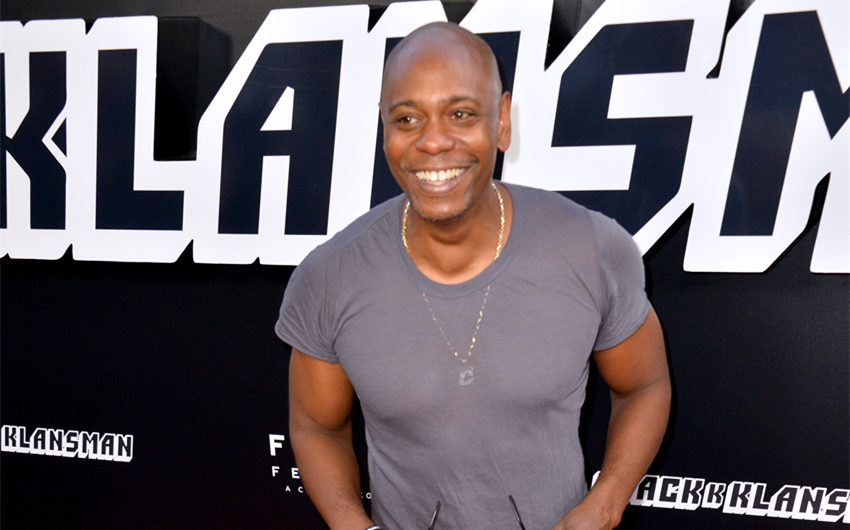
Dave Chappelle Net Worth: How Comedy, Control, and Timing Built His Fortune
When people search for Dave Chappelle net worth, they’re usually trying to understand how a comedian who once walked away from tens of millions of dollars ended up becoming one of the wealthiest and most influential figures in entertainment. Dave Chappelle’s financial story isn’t about constant output or flashy branding—it’s about patience, leverage, and knowing when your work is worth more than the contract in front of you. Today, his net worth is widely estimated at around $100 million, and it reflects decades of carefully chosen moves rather than nonstop hustle.
Who Is Dave Chappelle?
Dave Chappelle is a stand-up comedian, writer, actor, and cultural commentator whose career spans more than three decades. He began performing stand-up comedy as a teenager and quickly developed a reputation for sharp storytelling and fearless social commentary.
His mainstream breakthrough came with Chappelle’s Show, which debuted in 2003 and became one of the most influential sketch comedy series of its time. The show made Chappelle a household name almost overnight, but it also placed him at the center of intense industry pressure—pressure that ultimately led to one of the most talked-about career pauses in entertainment history.
Dave Chappelle Net Worth Overview
So how much is Dave Chappelle worth today?
Most reputable estimates place Dave Chappelle net worth at approximately $100 million. This figure is based on his earnings from Netflix specials, sold-out stand-up tours, real estate investments, and long-term catalog value.
Unlike many celebrities, Chappelle doesn’t flood the market with content or endorsements. His wealth comes from fewer projects priced at a premium—proof that scarcity can be just as powerful as volume.
Chappelle’s Show and the Money He Walked Away From
To understand Chappelle’s financial journey, you have to revisit the moment that defined his career: walking away from Chappelle’s Show.
At the height of the show’s popularity, Chappelle famously stepped away from Comedy Central, leaving behind a reported deal worth tens of millions of dollars. At the time, the decision shocked the industry. Many assumed it would permanently damage his career and financial future.
Instead, it reshaped it.
By stepping away, Chappelle protected his mental health and his creative integrity. While he temporarily gave up massive income, he preserved something more valuable—his leverage. That choice delayed wealth, but it also set the stage for a much bigger second act.
The Netflix Specials That Changed Everything
Dave Chappelle’s return to the spotlight came on his own terms, and nowhere was that more evident than in his partnership with Netflix.
Beginning in 2016, Chappelle released a series of highly successful stand-up specials that redefined how much comedians could earn from streaming platforms. Reports at the time suggested his initial Netflix deal for multiple specials was worth tens of millions of dollars, immediately placing him among the highest-paid comedians in the world.
Later reports revealed that individual specials were valued in the $20 million-plus range—numbers typically associated with major film productions, not stand-up comedy. These deals dramatically increased Chappelle’s net worth and proved that stand-up, when done at the highest level, could command blockbuster money.
More importantly, these deals came with creative freedom. Chappelle wasn’t just being paid to perform—he was being trusted to deliver exactly the material he wanted, without compromise.
Stand-Up Touring and Live Performance Income
While Netflix provided massive paydays, live comedy remains a core pillar of Chappelle’s wealth.
Stand-up touring is one of the most reliable income streams for top comedians. Unlike film or television projects, touring doesn’t depend on executives or release schedules. If a comedian can sell tickets, the money follows.
Chappelle regularly performs sold-out shows ranging from intimate venues to massive arenas. His ability to move seamlessly between formats allows him to maximize demand while maintaining artistic control. Touring also provides flexibility—he can perform when he wants, where he wants, and scale appearances up or down as needed.
For someone with his reputation, even a limited tour can generate millions.
Film, Television, and Other Media Work
Although stand-up is his primary focus, Chappelle has also earned income through acting, producing, and occasional television appearances.
He has appeared in films, hosted Saturday Night Live, and collaborated with other artists on special projects that reinforce his cultural relevance. While these roles may not rival his stand-up earnings, they add depth to his brand and keep his name active in the public conversation.
That visibility increases the value of everything else he does—from ticket sales to streaming negotiations.
Reclaiming Value From Chappelle’s Show
One of the most significant financial moments of Chappelle’s later career came when he publicly addressed how Chappelle’s Show was being streamed without his direct compensation.
Rather than quietly accepting the situation, Chappelle spoke directly to his audience, asking fans to stop watching the show on certain platforms. The move worked. Streaming services ultimately renegotiated the terms, and Chappelle confirmed that he was compensated as part of the show’s return.
This moment wasn’t just about money—it was about ownership. It reinforced Chappelle’s reputation as an artist who understands the long-term value of his work and isn’t afraid to protect it.
Real Estate, Lifestyle, and Assets
Unlike many celebrities with similar net worths, Dave Chappelle lives a relatively low-profile lifestyle.
He is known for residing in Yellow Springs, Ohio, where he has invested in land and local projects rather than luxury properties in entertainment capitals. His real estate holdings include acreage and commercial investments that align with his interest in live performance and community development.
This approach reflects a broader financial philosophy: invest in tangible assets you understand, and avoid unnecessary exposure.