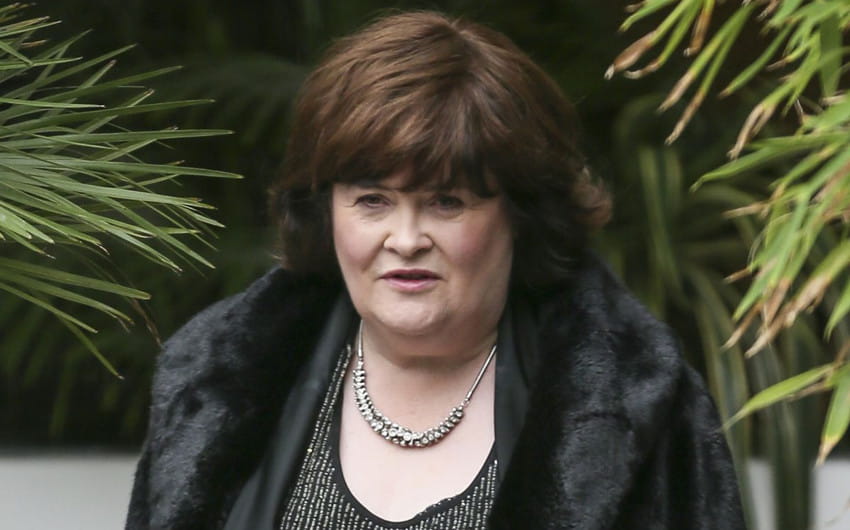
Net Worth of Susan Boyle in 2026: How She Earned It and Why She Lives Modestly
If you’re searching net worth of susan boyle, you probably want a straight answer plus a clear explanation of how she made her money after that unforgettable Britain’s Got Talent audition. A realistic estimate for the net worth of Susan Boyle in early 2026 is around $40 million (often discussed within a range of roughly $35 million to $45 million). The exact number shifts depending on how people value royalties, property, taxes, and long-term contracts—but the big picture is simple: Susan turned a viral moment into a long-running music career, and she did it while keeping her lifestyle surprisingly grounded.
The net worth of Susan Boyle in 2026 in plain terms
You’ll see different figures online, but most credible estimates circle one headline number: about $40 million.
The reason you’ll also see a range is that net worth isn’t just “how much you earned.” It’s the value of what you own minus what you owe, including:
- cash and savings
- royalty income (which keeps changing year to year)
- real estate value
- investments and retirement funds
- taxes and expenses
So when you read “$40 million,” think of it as a well-supported midpoint rather than a perfectly audited statement.
Why Susan Boyle’s money story is different from most pop stars
A lot of singers build wealth through constant touring, big sponsorships, fashion lines, and nonstop social media branding. Susan Boyle’s path was different.
You’re looking at someone who:
- broke through later in life (publicly, at least)
- built her career around classic vocals and standards rather than club hits
- didn’t chase flashy celebrity living
- kept a quiet personal life, even during peak fame
That’s part of why people are still fascinated. Her net worth is high, but her day-to-day image has remained humble.
The biggest income source: album sales and global music success
Susan Boyle didn’t become wealthy from one song. She became wealthy because her music sold—at a scale most reality TV contestants never touch.
Her debut album, I Dreamed a Dream, became a blockbuster. Once an album reaches that kind of global momentum, it creates multiple layers of income:
- album sales (physical and digital)
- streaming revenue (ongoing, even years later)
- international distribution deals
- royalties from catalog performance
And the important part is this: music revenue can keep paying for a long time. Even if you aren’t releasing a new album every year, your older work can still generate consistent income through streaming, licensing, and evergreen demand.
Touring and live performances (even without constant touring)
Touring can be the biggest earner for many artists, but Susan Boyle didn’t build her brand as a nonstop road warrior. Still, live performances matter financially because they:
- pay appearance fees
- support album sales
- keep your audience engaged
- increase demand for licensing and media features
Even selective touring or major event appearances can add meaningful money over time—especially when your name is globally recognizable.
TV, specials, and media appearances
Your Britain’s Got Talent moment wasn’t just a performance—it was a media event. That kind of fame usually leads to:
- TV appearances and specials
- performance fees
- documentary participation
- reruns and rebroadcast deals in some cases
Susan’s career has had long stretches where she stayed out of the spotlight, but major media moments still helped sustain her brand—and brand stability protects long-term income.
Royalties and licensing: the “quiet” money that adds up
One reason the net worth of Susan Boyle stays high even when she’s not constantly in headlines is royalties.
Royalties can come from:
- streaming and digital plays
- radio and public performance rights
- licensing songs for TV, film, ads, and compilation albums
- international usage (which can be significant for globally known artists)
It’s not always dramatic money in one day. It’s consistent money over years—and that consistency is what builds real wealth.
Books and storytelling income
Susan Boyle’s story is one of the most recognizable “late-blooming” success narratives in modern pop culture. Memoirs and story-driven projects can add another income stream through:
- book advances
- royalties
- foreign rights deals
- audiobook editions
It’s rarely the biggest slice compared to music, but it can still be a meaningful contributor—especially when public interest is high.
Real estate and why her home choice stands out
If you’ve read anything about Susan Boyle’s lifestyle, you’ve probably heard the detail that surprises people most: she has been known for living in (and improving) her childhood home rather than moving into a flashy celebrity mansion.
That matters to net worth in two ways:
- Lower lifestyle burn: If you aren’t spending like a celebrity, you keep more of what you earn.
- Property value: Owning property—especially if it’s updated and well-maintained—can be a steady asset over time.
Susan has reportedly purchased adjacent property and invested in making her living situation more comfortable while still staying rooted. If you’ve ever felt attached to “home,” you understand why that choice can be both emotional and financially sensible.
Why her net worth is high even though she lives modestly
This is the part people get wrong: they assume wealth must look like luxury.
But wealth often looks like:
- paid-off property
- conservative spending
- consistent income streams
- good financial management
- long-term planning
If you’re the kind of person who values security and calm over attention, Susan’s approach makes perfect sense. A simple lifestyle can actually be the reason wealth grows and stays stable.
Health, stepping back, and the impact on earnings
Susan Boyle has spoken publicly about health challenges over the years, and she experienced a stroke in 2022. She later returned to perform publicly again, which reminded fans that her voice—and her connection to audiences—was still there.
Taking time away can reduce short-term earnings, but it doesn’t necessarily crush net worth if you have:
- a strong catalog generating royalties
- savings from peak earning years
- controlled spending
- property and investments
If anything, stepping back can protect long-term finances by preventing burnout and keeping the brand respected rather than overexposed.
The comeback factor and why it can boost net worth again
Susan has signaled returns to the public eye in recent years, including sharing updates and teasing new projects. Whenever a beloved artist reappears, it often triggers:
- renewed streaming of old music
- higher interest in physical releases and compilations
- more media requests
- potential new recording opportunities
Even a small comeback can create a noticeable ripple in earnings—especially for someone whose fanbase spans multiple generations and countries.
So what is the net worth of Susan Boyle really telling you?
If you boil it down, Susan Boyle’s net worth is a result of three big realities:
- Massive early success after Britain’s Got Talent
- Long-term income from music royalties and catalog strength
- Modest living, which helped preserve wealth instead of draining it
That combination is rare. Plenty of artists earn big money, but not all of them keep it. Susan’s story suggests she did.
Quick recap you can remember
- Net worth of Susan Boyle (2026 estimate): about $40 million (often discussed in a ~$35M–$45M range)
- Main income sources: album sales, royalties/streaming, live performances, TV/media projects
- Why she keeps so much: a famously modest lifestyle and strong long-term catalog income
Featured image source: Pinterest