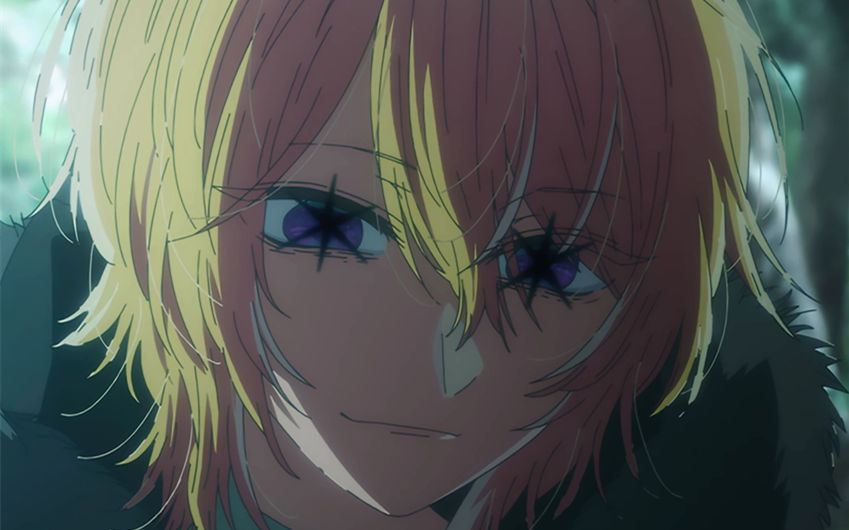
Hikaru Kamiki in Oshi no Ko: Character Breakdown, Motives, Themes, and Meaning
Hikaru Kamiki is the kind of character who changes the temperature of a story the moment he enters it. In Oshi no Ko, he isn’t just a convenient villain you can file away—he’s a figure tied to the series’ central mystery and its harshest truths about fame. If you’re trying to understand why he matters, it comes down to this: his presence forces everyone around him to confront how the entertainment world can reward performance while hiding cruelty in plain sight.
Where Hikaru Kamiki Fits in the Story
Light spoilers ahead. This breakdown avoids blow-by-blow plot twists, but it does discuss his narrative function. Hikaru Kamiki sits near the heart of Oshi no Ko’s biggest questions: who gets protected, who gets sacrificed, and how far people will go to maintain an image. He’s framed as an influence more than a constant on-screen force—someone whose impact travels through other characters’ choices, anxieties, and obsessions.
That structure is intentional. The story doesn’t need him to show up constantly to keep him looming. His absence becomes part of the tension, because the characters (and you) are left measuring consequences, connecting dots, and realizing how many doors can open for the “right” person in the right system.
Why He Feels More Unsettling Than a Typical Antagonist
Many antagonists are built like storms—loud, confrontational, and obviously dangerous. Hikaru is written more like a pressure change you can’t quite name. He’s unsettling precisely because he doesn’t need to perform villainy in an obvious way. Instead, he operates through distance: emotional distance from the harm he causes, moral distance from accountability, and social distance created by status and plausibility.
That’s what makes him stick. When a character is chaotic, you can predict escalation. When a character is calm, you can’t tell whether you’re about to witness a confession, a lie, or a perfectly timed move that looks like coincidence to everyone else.
Hikaru Kamiki and the Entertainment Machine
Oshi no Ko is at its sharpest when it treats fame like an industry, not a fairy tale. The series repeatedly shows how people become products—how images get curated, relationships get leveraged, and “authenticity” gets packaged. Hikaru fits this world too well. He represents the version of the entertainment machine that doesn’t look scary at first glance: polished, believable, and protected by social momentum.
In other words, he isn’t only a personal threat. He feels like a structural threat. The story uses him to underline a chilling idea: the most dangerous people in a spotlight economy aren’t always the ones who look monstrous. Sometimes they look competent.
Motives That Go Beyond “Evil for Evil’s Sake”
It’s easy to get stuck on the surface-level question—what he did, what he caused, what he triggered. But the more interesting question is why he functions the way he does. Hikaru’s writing suggests a motivation that’s less about explosive emotion and more about calculated control. The harm isn’t accidental; it’s treated like collateral for maintaining influence, protecting a narrative, or asserting dominance without ever appearing to do so.
What makes that feel disturbing is how familiar it is in real life. People aren’t always destroyed by someone who openly hates them. Sometimes they’re destroyed by someone who doesn’t value them enough to see them as human—only as obstacles, assets, or threats to an image.
The “Mirror Effect” on Other Characters
Strong antagonists don’t just oppose the protagonist; they reshape the protagonist. Hikaru’s role pushes the story into uncomfortable emotional territory, especially around revenge and justice. When someone’s life has been warped by trauma and unanswered questions, the search for truth can morph into a consuming identity. Because Hikaru is not easily confronted, that search becomes even more obsessive—less about closure and more about survival.
He also intensifies the series’ ongoing tension between truth and performance. Oshi no Ko is a story about masks: idols, actors, managers, fans, and the personas people build to stay safe or stay profitable. Hikaru feels uniquely dangerous because he understands masks as tools. He knows what audiences will accept, what they’ll ignore, and what they’ll punish—then he moves accordingly.
Why He’s Written as Controlled Instead of Chaotic
There’s a reason the story doesn’t frame him as a volatile wreck. Chaos is easy to label and easy to dismiss. Calm is complicated. Calm can blend into “professional.” Calm can be read as “credible.” Calm can be protected by people who prefer not to look too closely at what’s inconvenient.
By keeping Hikaru controlled, the series makes a sharper point: extreme harm isn’t always committed in a moment of rage. Sometimes it’s committed through planning, patience, and a chilling lack of empathy. That’s why his presence feels heavy even when he isn’t speaking much. You’re not waiting for him to explode—you’re waiting to understand just how far ahead he is.
The Psychology That Makes Him Feel Real
You don’t need to pin a diagnosis on Hikaru Kamiki to understand why he works as a character. He’s built around recognizable patterns that often show up in real-world power dynamics.
One of those patterns is selective charm: the ability to appear reasonable or even likable to outsiders while reserving cruelty for specific targets. That split creates confusion and doubt, and doubt is a powerful shield. Another pattern is emotional minimalism—rarely needing to plead, explain, or justify anything. When someone refuses to react, they can force everyone else to react for them, and that imbalance becomes control.
Finally, there’s an outcome-first mentality. When the core question shifts from “Who does this hurt?” to “Will this work?” tragedy becomes a side effect rather than a moral breaking point. In a story obsessed with performance and image, that mindset is terrifyingly compatible with the setting.
How Hikaru Kamiki Connects to Oshi no Ko’s Central Themes
Even if you stripped away the mystery element, Hikaru would still matter because he embodies some of the show’s most uncomfortable ideas. Oshi no Ko repeatedly highlights how fame can attract predators—people who want proximity to glow, status, or control. It also emphasizes how storytelling itself can become a weapon. In entertainment, narrative is power: what gets said, what gets hidden, and what gets believed can decide who thrives and who gets erased.
Hikaru functions as proof of concept. He shows how a person can use the rules of the spotlight—plausible deniability, curated perception, social protection—to cause harm that’s difficult to pin down and even harder to punish.
What Makes Him Different From a “Simple Evil” Villain
A simple villain can be defeated by courage and confrontation. Hikaru is framed differently. He feels like someone who benefits from the way the world is already structured. That’s a tougher enemy, because defeating him isn’t only about strength or determination—it’s about clarity, evidence, timing, and the willingness to endure disbelief from the outside.
This is one reason the stakes feel so high around him. The battle isn’t just emotional; it’s social. It’s about whether truth can survive in an environment where performance is rewarded more reliably than honesty.
How to Read Hikaru Without Getting Lost in Fan Theories
Fandom discussion can get intense fast, especially with a character surrounded by mystery. A practical way to stay grounded is to focus on what the story consistently emphasizes about him: he doesn’t need constant screen time to dominate the narrative, his threat comes from calculation rather than tantrums, and his power is tied to systems as much as personal choices.
When you read him through those lenses, he becomes clearer. You stop hunting for hidden clues in every corner and start noticing how the series uses him to expose the darker logic of fame—how people can be harmed not only by individuals, but by the structures that make those individuals untouchable.
Featured Image Source: https://oshinoko.fandom.com/wiki/Hikaru_Kamiki