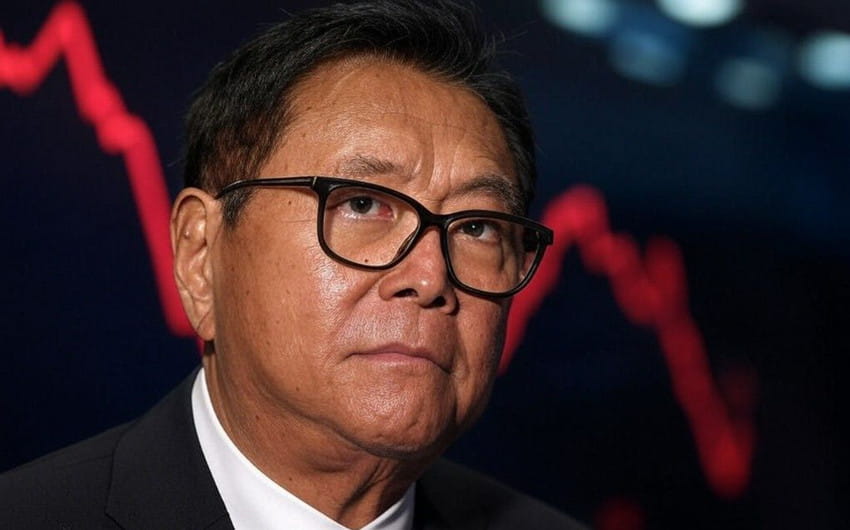
Robert Kiyosaki Net Worth in 2026 Estimate and How He Built Wealth
If you’re searching robert kiyosaki net worth, you’re probably trying to answer two things at once: how much he’s worth and whether those numbers are real or hype. The most realistic way to put it is this: Robert Kiyosaki’s net worth is commonly estimated in a wide range, often around $80 million to $120 million, with some estimates going higher depending on how people value his private businesses, real estate holdings, and brand licensing. You’ll also see much bigger numbers in interviews and social media—but those are harder to verify because they’re often tied to personal claims about assets and debt strategy.
What you can do is understand where his money likely comes from, why the number keeps shifting, and how his “Rich Dad” brand became the engine behind his wealth.
A realistic Robert Kiyosaki net worth estimate and why it varies
Unlike a public-company CEO whose compensation is reported, Kiyosaki’s wealth isn’t a single transparent line item. Net worth is what you own minus what you owe, and with him that can include:
- royalties and licensing income from books and courses
- ownership stakes in private companies
- real estate holdings (often financed with debt)
- investments he says he favors, like gold, silver, and Bitcoin
- liabilities (debt) that may be large by design
That’s why robert kiyosaki net worth gets quoted as a range instead of a precise figure. If you want a clean, usable estimate, $80M–$120M is a reasonable bracket for 2026 based on common financial-profile estimates and the scale of his long-running brand. But you should treat any single “exact” number as an approximation.
Who Robert Kiyosaki is in the money world
You don’t become Robert Kiyosaki without a strong, polarizing identity. He’s best known as the author behind Rich Dad Poor Dad and the broader “Rich Dad” education ecosystem. His public image is built on simple, repeatable money ideas:
- buy assets, not liabilities
- use cash-flowing investments to fund your lifestyle
- learn to think like an owner
- use debt strategically (and controversially)
Whether you agree with him or not, you can’t deny the impact: he turned personal finance into a mass-market product, and mass-market products are where serious wealth gets built.
The biggest driver of Robert Kiyosaki’s net worth: the Rich Dad brand machine
If you assume his wealth comes mostly from book sales alone, you’ll miss the real story. Books are important, but the brand ecosystem is usually bigger.
When you build a brand like “Rich Dad,” you can earn through:
- book royalties across multiple titles
- audiobook sales and ongoing reprints
- translations in many languages
- speaking fees and event appearances
- paid seminars and workshops
- online courses and subscriptions
- licensing deals that let others sell under your brand
The key idea is scale. One book can make you rich. A brand that sells education products for decades can make you very rich.
Book income: the foundation, not the ceiling
You’ve likely heard that Rich Dad Poor Dad sold millions of copies. Even if you don’t know the exact number, you can understand the financial effect of a long-selling personal finance book:
- royalties can continue for years
- new waves of readers keep arriving through social media and recommendations
- audiobook versions keep the product selling to busy adults
- “classic” finance books often get gifted and re-bought
If you’ve ever recommended a book to a friend and then watched them pass it on, you already see how this works. A book that stays culturally relevant becomes a permanent income stream.
Speaking and events: where money can spike fast
Speaking and live events are a major wealth lane for financial gurus, especially during peaks of media attention. A recognized name can earn through:
- keynote fees
- corporate talks
- financial conferences
- ticketed “wealth education” events
If you’ve ever paid for a workshop or a seminar, you know the business model: high perceived value, premium pricing, large audiences. Even a handful of major events per year can create significant income, and repeated over decades, it builds real net worth.
Courses, coaching, and licensing: the high-margin part of the business
Education products can be extremely profitable because once the content is created, the cost to deliver it again can be low—especially digitally.
This is where net worth can climb because:
- digital products can sell globally 24/7
- licensing means other operators expand your reach
- brand recognition lowers marketing friction
- customers often buy multiple products over time
If you’ve ever bought “the book” and then later bought “the course,” you’ve seen the funnel. Kiyosaki’s wealth likely reflects that long-term funnel, not just a single bestseller.
Real estate: the asset class he talks about most
Kiyosaki frequently positions real estate as his core wealth-building tool. If you follow his philosophy, you already know the basics:
- buy cash-flowing property
- use leverage (debt) to control larger assets
- let tenants help pay down mortgages
- refinance when appropriate
- hold long-term for appreciation and cash flow
If he owns significant property—or owns it through partnerships—his net worth can be heavily influenced by real estate values.
But here’s the important nuance: real estate can look like huge wealth on paper while also carrying huge debt. That doesn’t make it fake. It just means the number depends on your assumptions about:
- property market value
- mortgage balances
- cash flow performance
- interest rates and refinancing terms
The “debt strategy” factor: why his net worth may be hard to interpret
Kiyosaki is famous for saying he likes debt when it’s attached to assets. Whether you agree or not, it affects net worth calculations because two people can own the same building and have very different net worths depending on how it’s financed.
If you want a simple way to think about it:
- Assets can make your net worth look high.
- Debt can make your net worth look lower—even if your cash flow is strong.
- Some investors choose debt intentionally because it can amplify returns (and risks).
So when you hear big claims like “I have tons of debt,” it doesn’t automatically mean he’s broke. It means his wealth may be structured in a leveraged way—where cash flow and asset control matter as much as “debt-free ownership.”
Investments like gold, silver, and Bitcoin: the headline-friendly layer
Kiyosaki often talks about gold, silver, and Bitcoin as protection against inflation and financial instability. Those holdings—if significant—can move net worth quickly because prices swing.
This is another reason estimates vary:
- crypto can rise or fall dramatically
- metals can trend up or down
- personal allocations aren’t publicly audited
So if someone values his portfolio during a high Bitcoin period, his net worth might appear much higher than during a downturn. That doesn’t mean the estimates are “wrong”—it means the underlying assets are volatile.
Business ownership beyond Rich Dad: the private-company puzzle
A portion of Kiyosaki’s wealth may come from private-company ownership stakes connected to publishing, education, media, and partnerships. But private businesses are hard to value from the outside because:
- financials aren’t public
- ownership percentages aren’t always known
- revenue isn’t the same as profit
- some businesses are valuable primarily because of brand reach
That’s why you should be cautious with any exact figure. Without audited statements, you’re working with informed estimates.
Why people argue about his net worth
If you’ve noticed that Kiyosaki’s net worth sparks debate, you’re not imagining it. The controversy usually comes from three things:
1) Public claims vs public proof
He’s outspoken, and he often makes big statements. Not all of them come with documentation.
2) Net worth vs influence
Even if his net worth were “only” tens of millions, his influence is enormous. People sometimes confuse influence with financial wealth.
3) Debt and leverage misunderstanding
Many people hear “debt” and think “failure,” while real estate investors sometimes see “debt” as a tool. The truth depends on cash flow, risk management, and timing.
The simplest takeaway on Robert Kiyosaki net worth
If you want a clean answer you can repeat without overselling it:
- Robert Kiyosaki net worth (2026 estimate): roughly $80 million to $120 million
- Why it’s a range: private businesses, leveraged real estate, and unverified personal investment claims
- Main wealth drivers: Rich Dad brand income (books + licensing + education), speaking/events, and real estate
And the bigger story is this: his wealth isn’t built on one book. It’s built on turning a book into a long-running business ecosystem.
Featured image source: Pinterest